ZEISS SFL social media video series
I produced a four-video series for ZEISS Consumer Optics that helped UK buyers choose the right binoculars, and I handled the pre-production, filming and editing for YouTube, Instagram and Facebook.
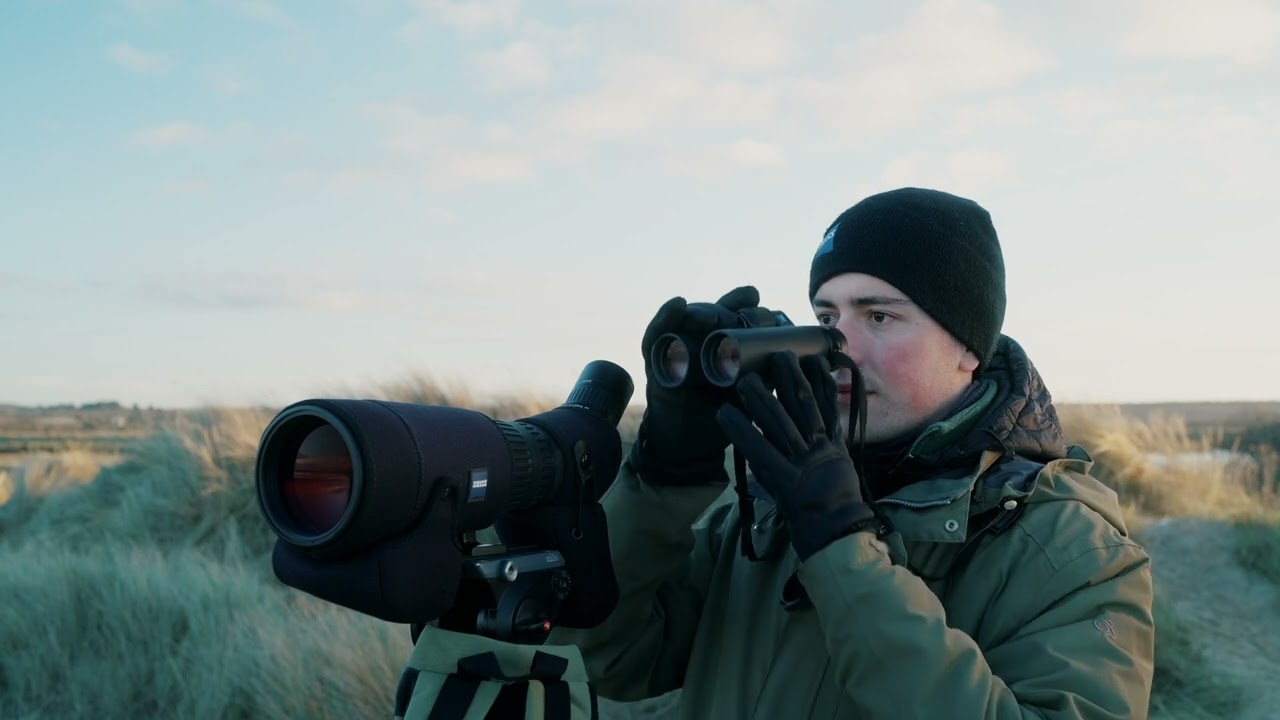
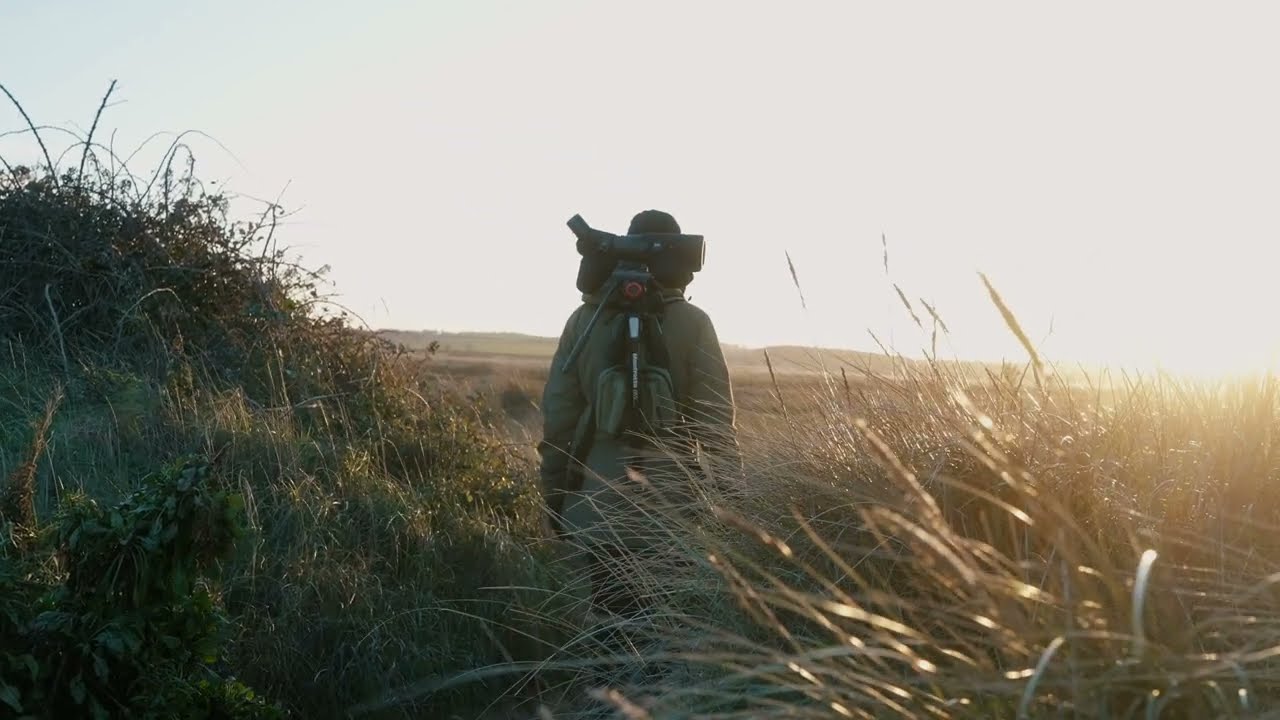


The need
When ZEISS launched the new SFL binocular family, our HQ team had already produced an excellent product video that worked well for the UK market. There was no point recreating it locally.
What was missing was content that helped someone in the UK decide which binoculars to buy. Choosing a pair involves a lot of questions: how much to spend, what weight is comfortable on a long walk, and what the numbers on the barrel actually mean. The SFL range had strong answers to those questions, and a local, human voice could deliver them better than a spec sheet.
The goal was a short series that educated buyers first and introduced the SFL range through the features that mattered to them.
My role
I handled the pre-production, filming and editing myself. I worked with our UK birding business development executive, who also presented on camera, to shape the content. On the filming days, a colleague helped us set up scenes faster and carry the gear. I then published and adapted the finished videos for YouTube, Instagram and Facebook.
Key decisions
Starting with the buyer’s questions, not the product
Our birding business development executive spends his working life listening to customers, so he knew the questions people ask before they buy. I sat down with him to work out which questions mattered most and which of the SFL’s USPs answered them best. That shaped the whole series.
The result is four videos:
- ZEISS SF and SFL Binoculars: Expert Review, a presenter-led review of the two ranges.
- Binocular Features to Look Out For: Price, Weight, Size and Strap, general buying advice with a focus on what the SFL offers.
- Binocular Terminology: Understanding Smart Focus, Ergo Balance and T* Coating, a short, easy-to-digest explanation of the main technology in the SFL.
- Binocular Terminology: Understanding Waterproof Binoculars and Eye Relief, a plain-English guide to what the numbers and specs mean.
Benefits over specs in the edit
ZEISS already had animations created for technical videos. Rather than build a technical walkthrough, I spliced them into a more natural talking head format. The animations support the explanation, but the presenter carries it. The focus is on what the technology means for the person using it, not on the engineering behind it.
Building flexibility into the location
Scouting a suitable location and arranging a filming permit came first. We paid for a two-day permit but negotiated flexible dates, so a bad forecast would not cost us the shoot. That flexibility, plus having two days, gave us room to work around the conditions.
Reworking each video for Instagram, not just resizing
The Instagram versions were completely reworked for the in-feed aspect ratio. I made sure none of the key content sat under the platform’s overlaying UI, so nothing important was covered by buttons or captions.
The output
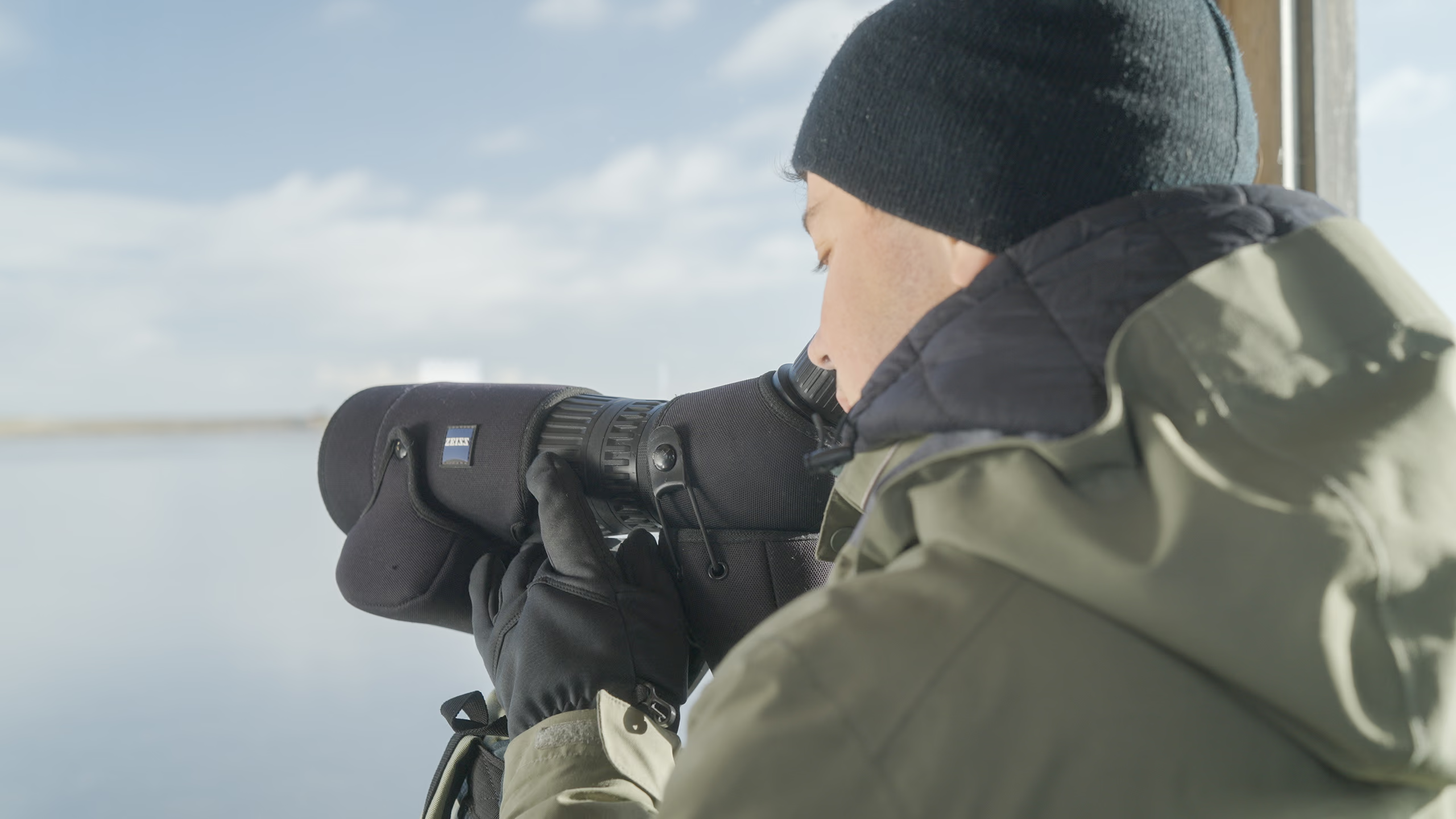
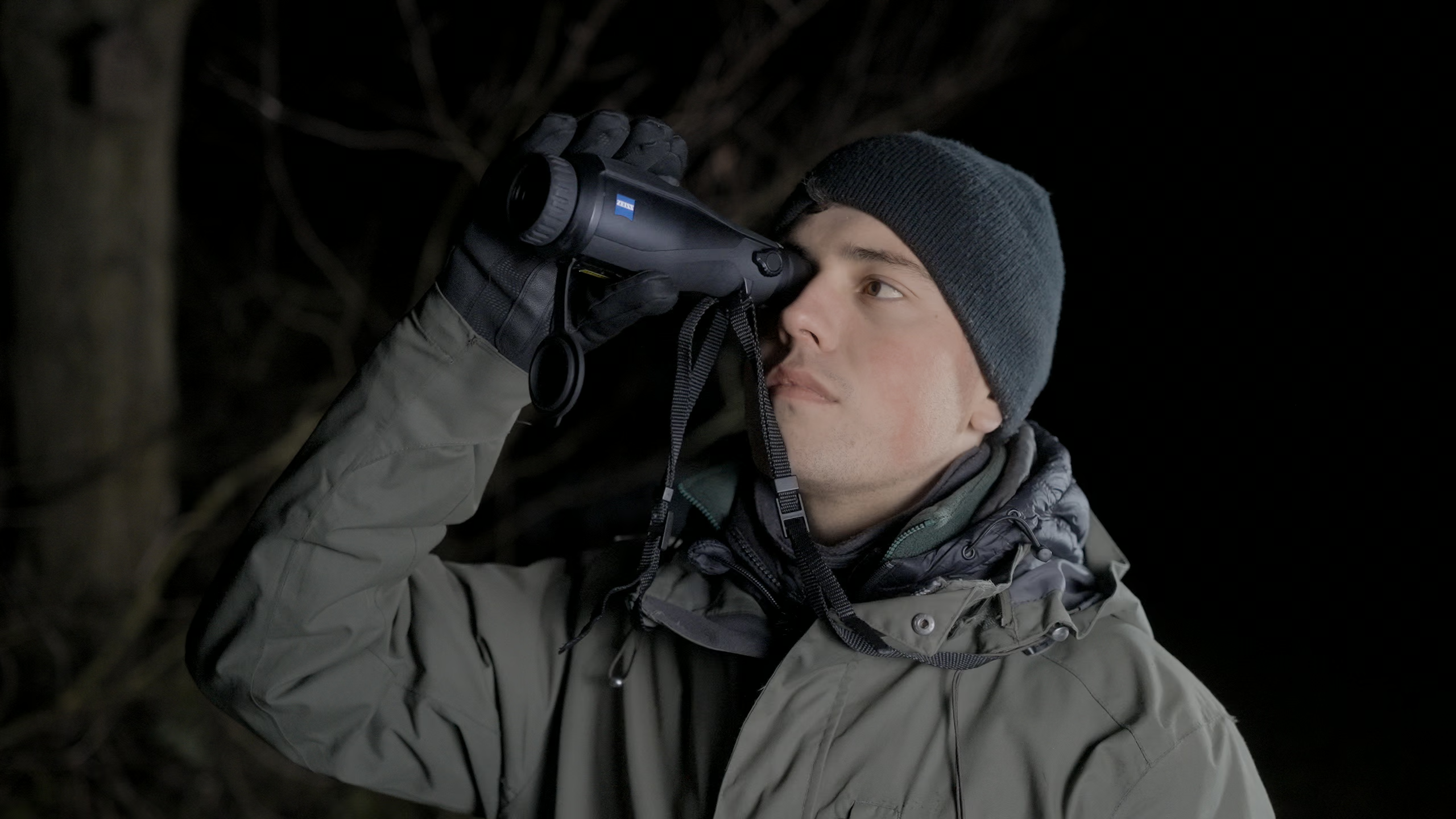
The series went out on YouTube, Instagram and Facebook. The shoot ran over two days. The early sunset between them gave us the chance to capture content for the ZEISS DTI thermal imaging product while we were on location, and we gathered extra general shots in between setups for use on social.
Across the platforms, the videos received thousands of views. The expert review on YouTube alone reached around 4.8k views in its first 12 months.
What I learned
Film the main content first. When a location is set up, it is tempting to capture extra content while everything is ready. On this shoot, that sometimes meant we did not allow for the daylight we would lose. Two days gave us the room to absorb it, so it did not cause a problem, but it changed how I schedule shoots. Now the key content goes first, and anything extra only happens once the main material is safe.
Plan flexibility into the logistics. The flexible permit dates were a small negotiation that removed a big risk. I now ask for that flexibility whenever the weather affects the plan.
Let the people closest to customers shape the script. The best material came from the questions our business development executive hears every day, not from the product’s spec sheet.